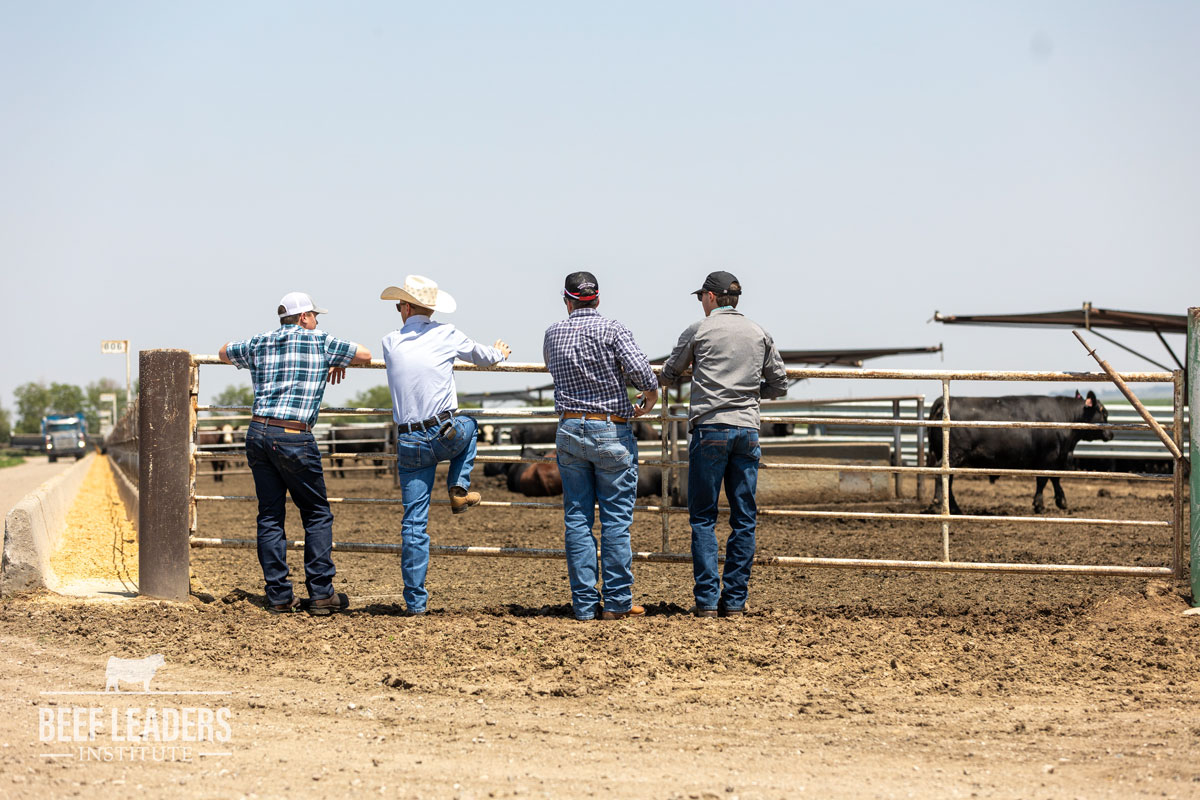
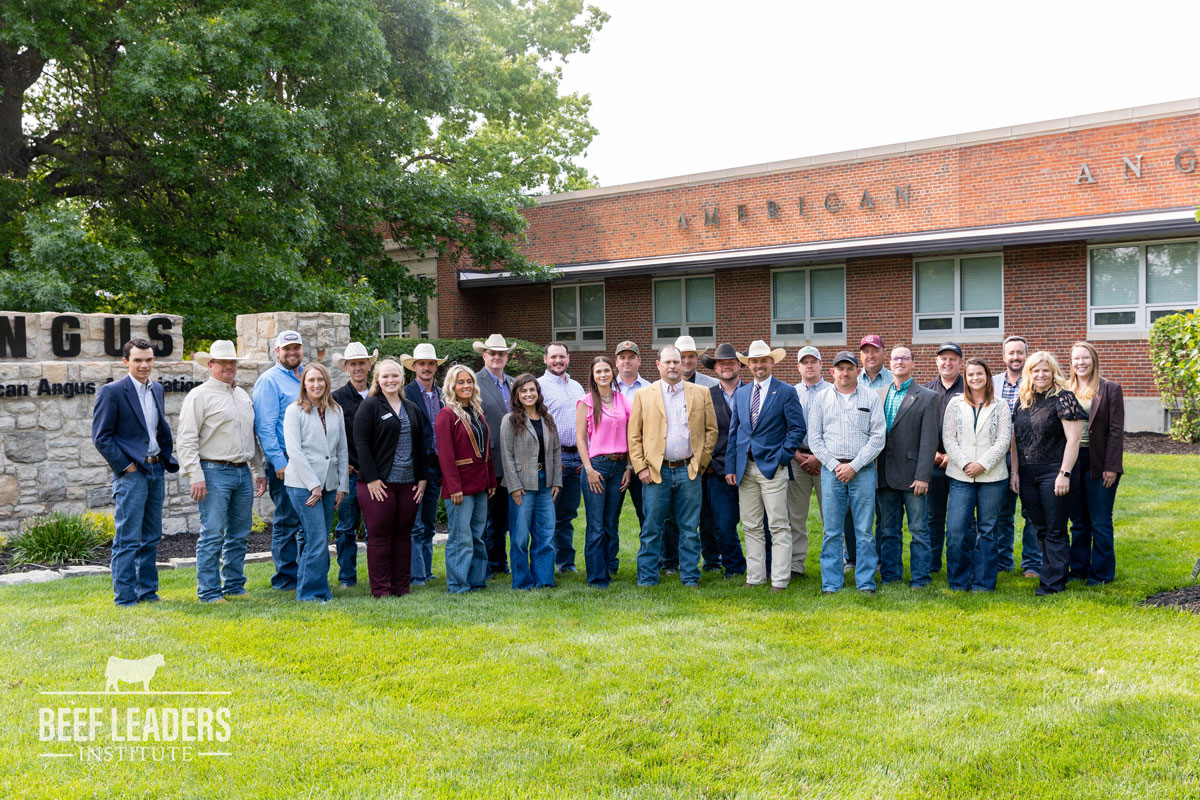
In June 2025, I had the privilege of joining 22 passionate, innovative and driven beef industry leaders from across the United States, Canada—and myself from Australia—for five intense days of learning, networking and professional development. The Beef Leaders Institute (BLI) tour provided a comprehensive overview of the Angus supply chain, from genetics and breed leadership to processing, branding and food service. It was a powerful reminder of the global significance of Angus cattle—and the people behind them.
Day 1 – Leadership and Transparency at the American Angus Association
Our journey commenced at the American Angus Association (AAA) headquarters in Saint Joseph, Missouri, where we were welcomed by CEO Mark McCully. Mark opened with a candid and transparent session on the opportunities and challenges facing the breed. His direct approach and thought-provoking messages set the tone for the entire week.
He left us with this reflection: “What’s the risk of doing something versus the risk of doing nothing?”— a timely question for anyone in a decision-making role. Mark also encouraged breeders to define their own optimum, rather than pursuing a generic maximum.
With a background as a ruminant nutritionist and extensive experience at Certified Angus Beef (CAB), Mark’s leadership style is grounded in real-world understanding. His passion for the breed and his willingness to tackle tough topics head-on were commendable.
We then toured the AAA offices and met with various departmental teams. A standout was Hannah Beck and the member services team—handling up to 300 member calls a day and supported by a culture of longevity and commitment, with many staff having 10 to 30 years of service.
Esther Tarpoff and Devine Jacobs shared insights into genetic evaluation through performance programs, including the importance of contemporary groups, phenotypic data and genotyping. I was impressed by the scale of service, with 90% of enquiries resolved directly by the member services team.
Sarah Dreyer introduced the Angus Link programme and its Genetic Merit Scorecard, which enables commercial producers to assess the genetic potential of their herds.
Benjie Lemon, President of Angus Media, inspired us to think strategically about marketing, branding and digital integration—demonstrating how a professional approach to media can amplify reach and impact.
Finally, Kellie Retallick, President of Angus Genetics Inc. (AGI), provided a detailed look into the breed’s genetic research priorities and evaluation systems. She emphasised the growing use of phenotypic data and the value of genomic testing for accuracy, and outlined the importance of the World Angus Evaluation to global breeders.
We closed the day with a relaxed dinner alongside the AAA leadership team before heading north to South Dakota.
Day 2 – From Feedlot to Processing
Day two began with a comprehensive tour of the Tyson packing plant in Dakota City, Nebraska. This facility processes around 5,500 head per day, with a significant proportion qualifying as Certified Angus Beef Prime. I was struck by the cleanliness, efficiency and precision of the operation—an example of large-scale production at its best.
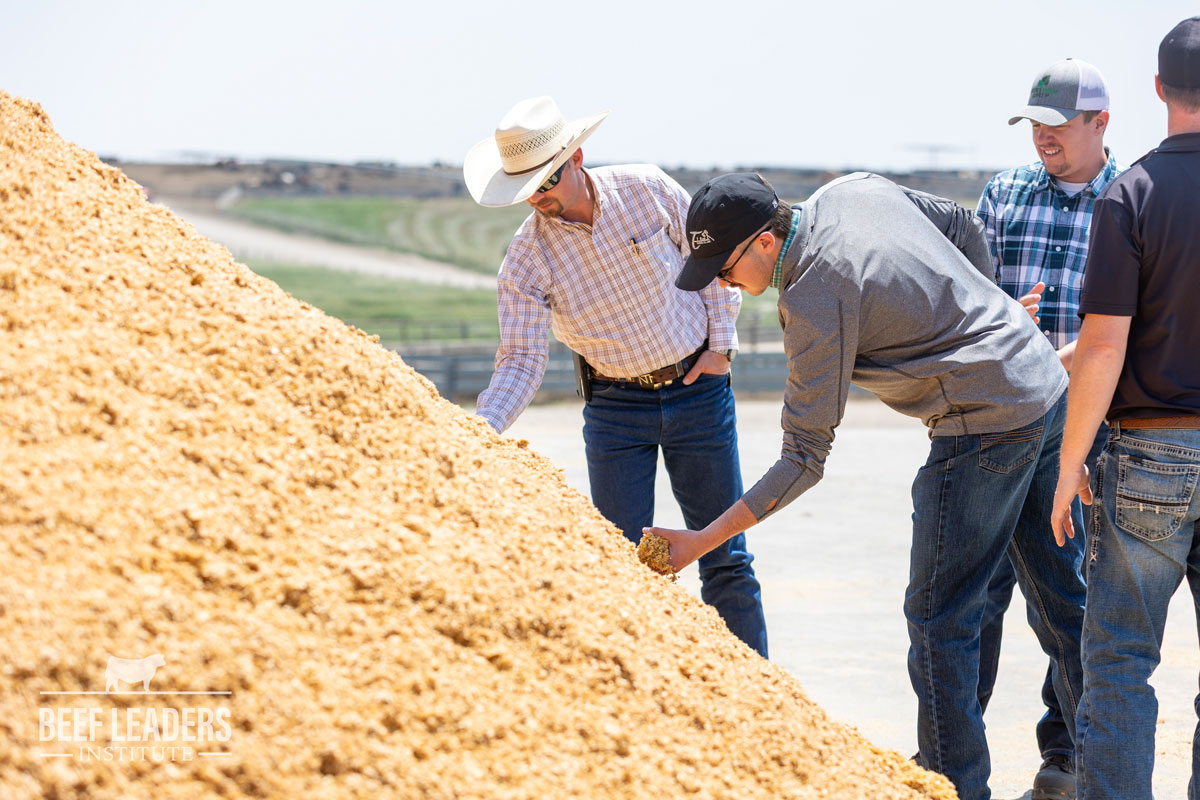
Next, we visited Weborg Feed Yards in Nebraska, a third-generation family feedlot with a capacity of 25,000 head. Cattle are typically on feed for 120 days, aiming to grade Prime or Upper Select. The operation uses hormone growth promotants (HGPs) and beta-agonists, with rations comprising corn, distillers’ grains, haylage and silage. Their investment in a steam flaker for corn processing has dramatically improved feed efficiency. The owner’s honesty about margins —”You make the money on the buy, not the sell”—was both realistic and valuable.
We concluded the day by flying to Detroit, Michigan, and drove south into Ohio.
Day 3 – Connecting Global Supply Chains
In Ohio, we toured Buckhead of Ohio, a Sysco company specialising in CAB portion cuts for the food service sector. Their passion for the CAB brand was evident. A proud moment for me was seeing product from Teys Naracoorte, a small South Australian town I know well, represented in their cool rooms. The quality was outstanding.
We then visited ST Genetics in Tiffin, Ohio, where we observed advanced semen sexing technologies and viewed semen processing in real-time. Seeing bulls like Connealy Craftsman, Myers Fair N Square and Boyd Bedrock—all used in Australia—was a highlight.
Later, we toured a Meijer grocery store, the largest CAB retail customer in the US, to observe how beef is merchandised and positioned for American consumers.
Day 4 – The Power of the Brand at Certified Angus Beef
Day four was spent at Certified Angus Beef headquarters in Wooster, Ohio. President John Stika shared the fascinating history of CAB, established in response to declining Angus use between 1968 and 1978. Today, CAB sells 1.2 billion pounds annually into over 50 countries, without owning a single cow. Their influence is driven by brand licensing and consumer demand.
CAB cattle must meet 10 strict quality specifications—ensuring only 3 in 10 animals qualify. These include carcase weight, ribeye size, marbling and backfat limits, all contributing to a consistent product and reliable eating experience.
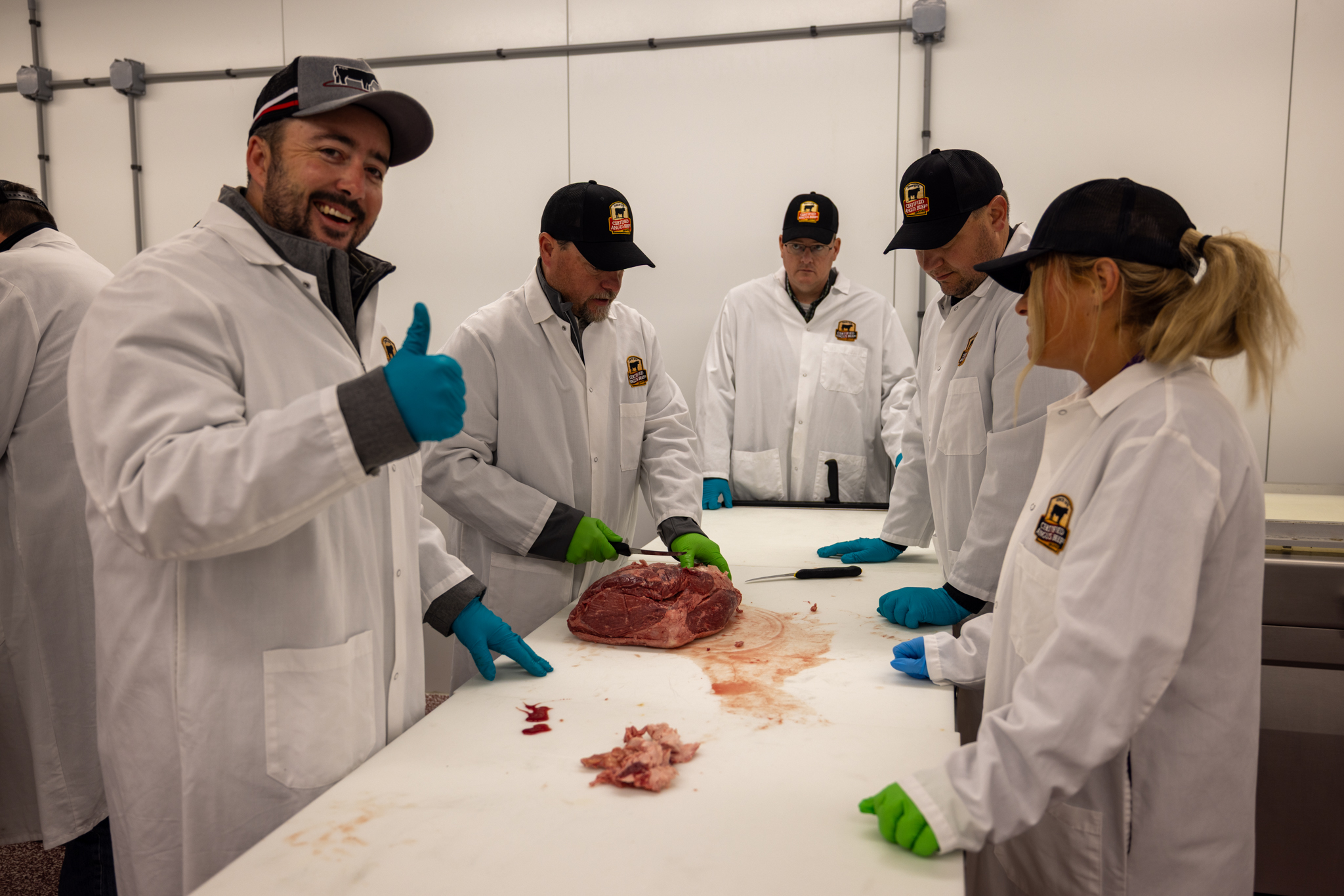
We toured their facilities, completed carcase cut-out value exercises, and engaged in an in-depth exploration of how CAB supports chefs, retailers and processors with education, marketing and culinary innovation.
Our evening meal was a five-star experience prepared by CAB’s executive chefs—a celebration of the product and the people behind it.
Day 5 – From Carcase to Cuisine
Our final day was hands-on. We returned to the meat lab for practical sessions in sub-primals, yield calculations and cost analysis. With the guidance of the corporate executive chef, we each prepared our own lunch—learning not just to cook the perfect steak, but how to create a restaurant-quality plate from scratch.
We also learned about CAB’s Ranch to Table initiative, which will allow small producers to process and sell branded beef locally—an exciting development for grassroots beef enterprises.
To conclude our visit, our group gifted CAB a signed Angus flag to leave behind a legacy of gratitude and connection.
Key Takeaways
• The Angus cow brings us together, but the Angus people keep us together.
• This is a global industry—Australian beef competes and aligns with U.S. product every day.
• Culture is king. Investing in people drives performance and longevity.
• The Angus breed is adaptable, capable of serving many markets around the world.
• Australia leads in meat science and grading, but the American “can-do” mindset is truly inspiring.
• Never rest on your laurels—there is always room to improve.
• I’ve found my place in the industry—I belong here.
This tour reaffirmed my passion for the beef industry. The innovation, the people, and the shared commitment to excellence made this an unforgettable experience.
Written by Jake Phillips, Special Projects Angus Australia, and first published in the Spring 2025 Angus Bulletin.