Lyndavale Cattle Co – A Century of beef production excellence in the heart of Australia
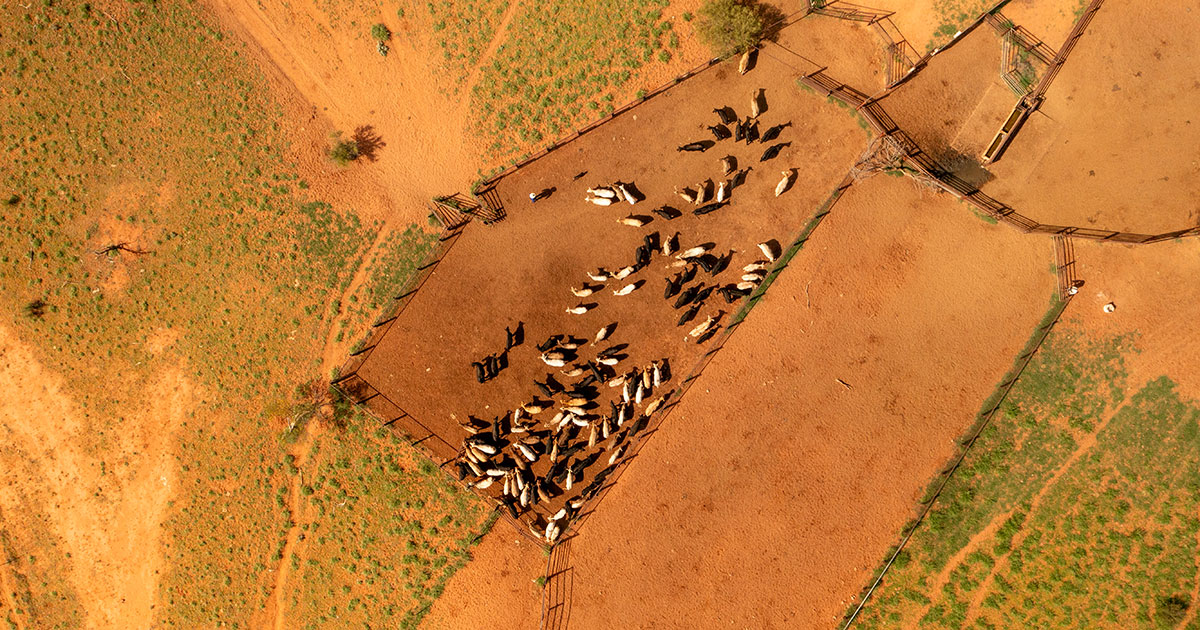


Lyndavale Station, managed by the Stanes family for over a century, exemplifies the innovative use of genetics and resilience in the harsh environment of Central Australia.
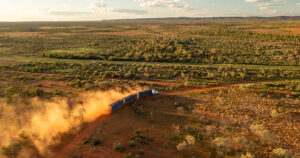
Situated approximately two and a half hours southwest of Alice Springs, the station spans 700,000 hectares and runs around 12,000 head of cattle, including 4,500 breeders. Despite the challenges posed by limited rainfall, extreme temperatures, and vast rangelands, Lyndavale has consistently produced high-quality beef that meets both domestic and international market demands.
Location: GHAN, NT
Avg Annual Rainfall: 200 mm
Area Managed: 720,000 ha
Evolution of the Business & Adoption of Angus Genetics
With roots stretching back to 1920, the Stanes family has built Lyndavale Cattle Co into a dynamic and forward-thinking cattle operation. Over the decades, their approach to breeding and management has evolved to meet shifting market demands, environmental pressures, and the need for continual improvement in herd performance.
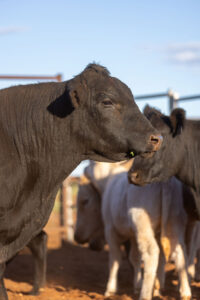
 Historically, Lyndavale was a Hereford operation like much of Central Australia. During the early 90s they transitioned to Charbray cattle due to their established adaptability to Central Australia’s harsh conditions. However, participation in a benchmarking program in the early 2000s highlighted below-average fertility, prompting the introduction of Angus bulls in 2002. The goal was to enhance fertility, reduce maturity age within the herd and increase the meat quality of the herd.
In the harsh and variable conditions of the NT, early conception and efficient growth are essential traits for maintaining productivity and profitability. The Angus breed’s strengths in these areas made it a natural complement to the existing crossbred herd.
Lyndavale Station now employs a carefully developed crossbreeding system, combining Angus and Charolais genetics. This system enhances heterosis, improving fertility, growth, and meat quality. As the Stanes family explains, this hybrid approach allows them to thrive in Central Australia’s challenging environment. They note that the Angus breed has exceeded expectations:
“What surprised me most about the Angus breed… was the way that Angus have thrived here, despite the extended dry periods and the heat,” said Mr Ross Stanes, Lyndavale Cattle Co.
Market Focus & Business Strategy
 Lyndavale Station is located within the world’s largest certified organic beef region, a natural advantage that has shaped the station’s focus on organic, grassfed beef production. The vast rangelands and low-input management practices align effortlessly with USDA Organic and EU accreditation requirements, allowing the Stanes family to maintain organic certification without major alterations to their extensive grazing system.
“What’s unique about our system is we have the ability to take animals right through to a finished weight of 600kg in Central Australia on grass,” mentioned Mr Stanes.
Cattle are grown and finished entirely on pasture, reaching target weights in excess of 600 kg by 2 to 2.5 years of age. This pasture-based finishing system is supported by consistent carcase quality and performance, outcomes made possible through the introduction of Angus genetics. The breed’s fertility, early maturity and market suitability have allowed Lyndavale to better match processor specifications and improve overall efficiency within their production model.
“We were lucky enough to receive an award last year that placed us in the top 100 producers in South Australia and the Northern Territory for Meat Standards Australia graded beef,” added Mr Stanes.
Breeding & Genetic Strategy
Lyndavale Station employs a dual breeding system to meet both its breeding and market objectives. The breeding program consists of two key breeding strategies:
Bulls are sourced from southeast Australia at 14–20 months of age and transported north following rain and during cooler weather to minimise heat stress. Once at Lyndavale, they are given a minimum of 12 weeks to acclimatise before being introduced to heifers.
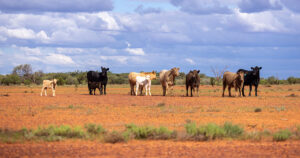 Bulls are joined at a ratio of 1:35 with 14-month-old heifers and remain with the same cohort of females until they reach 7-8 years of age. At each watering point, no more than three bulls are run together, and they are carefully grouped by age and breed to promote even mating dynamics and reduce competition.
Maiden heifers are joined for three cycles with age-matched bulls before being pregnancy tested. Those that conceive within this window are retained as future breeders, while non-pregnant heifers are removed from the breeder herd. This disciplined approach helps drive reproductive efficiency and maintain a high-performing maternal base.
Herd Performance & Challenges
The herd at Lyndavale Station has consistently performed well despite the challenges posed by the extreme environment. Weaners are taken off at 6–8 months of age, typically weighing between 180–250 kg. After weaning, all heifers are assessed for type and temperament, with only the top-performing animals retained and grown out for joining.
The use of Angus genetics has significantly improved herd fertility, with weaning rates consistently exceeding 80% except during a few extensive dry periods; an increase from the previous ~60% weaning rates prior to the introduction of Angus genetics. Early maturity, strong maternal traits, and consistent calving performance continue to underpin Lyndavale’s productivity.
The combination of structured weaner development, disciplined heifer selection, and careful bull management has helped Lyndavale maintain reproductive resilience and herd adaptability in the face of Central Australia’s climatic extremes. Ongoing genetic monitoring and performance data are used to continuously refine the breeding program and support long-term gains in productivity and carcase quality.
Enduring Success
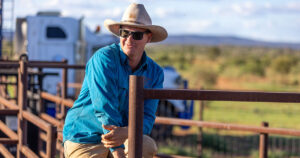 Lyndavale Station is a prime example of how strategic genetics and resilient management practices can enable a business to thrive in one of Australia’s most challenging environments. With a century of experience, the Stanes family has successfully integrated Angus genetics into their breeding program, improving both herd performance and meat quality. Their focus on bull selection, sustainable practices, and premium beef markets positions them for continued success in the future.
As Lyndavale Station moves forward, their commitment to innovative practices and high standards in beef production ensures they will remain a leader in the Australian cattle industry, producing some of the best beef in the world.
Hanlie Jansen – Extension Officer