
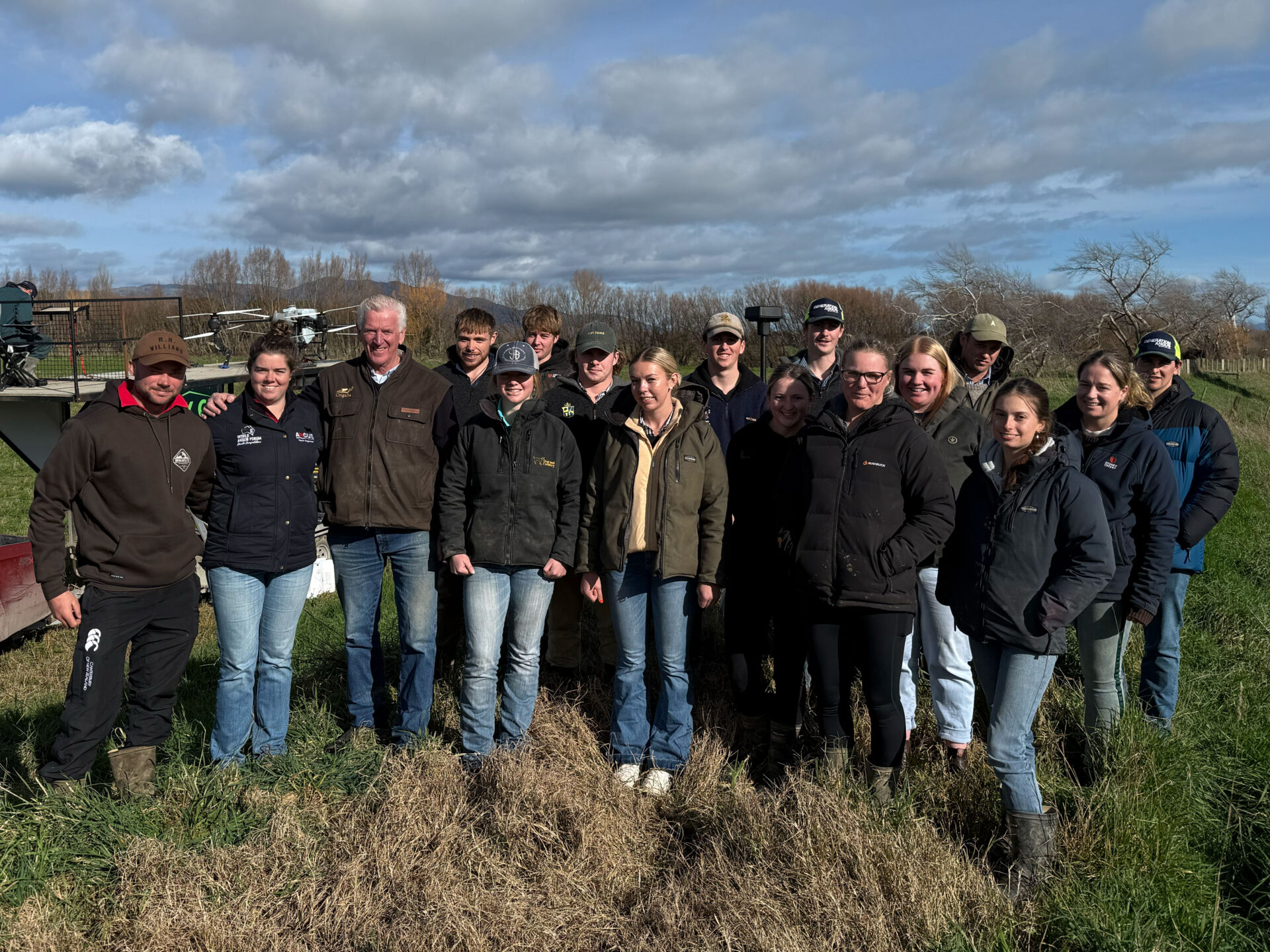
Angus Australia and Angus New Zealand united to host the first youth-focused beef workshop in New Zealand that Angus Australia has been involved in.
On 17–18 July, fifteen passionate young agriculturalists, aged 18–35 arrived in Masterton, rallied from across New Zealand to take part in the inaugural “Beefing It Up” Workshop.
From Southland to Taihape, this new initiative brought together the next generation of farmers to explore the business, genetics, and community behind the beef sector. With boots on the ground, brains in gear, and rain jackets zipped tight, the group tackled two compelling farm visits—leaving with muddy boots, sharper insights, and a renewed drive to take their agricultural careers to the next level.
Genetics, Percentiles, and Profitability
The workshop kicked off with a deep dive into breeding and genetics, introducing participants to percentiles and benchmarking herd performance. This wasn’t just theory it sparked lively discussion about the diverse production systems represented in the room and how genetics and environment work hand-in-hand to impact profitability. For many, it was the first time seeing how data-driven decisions can shape a herd’s future. It laid the groundwork for the practical learning to come.
Matariki Terraces: Genomics Meets Hill Country
Day one took the group to Matariki Terraces, hosted by George and Sarah Tatham and their team. Spanning 3,000 ha (1,500 ha effective), the property balances production with biodiversity, retiring large native forest blocks and managing 6,000 breeding ewes, 2,000 hoggets, and a full lamb finishing program — plus a 200-head Angus breeding herd.
Inside the farm office, participants explored maps and systems that tie together breeding, finishing, and environmental stewardship. Out in the paddocks, they saw bulls being grown out for finishing and discussed the pros and cons of steers versus bull beef.
A standout moment was viewing the weaner heifers the pool from which replacements are selected. Matariki is now using genomics through the Informing New Zealand Beef Program, testing heifers to identify those with superior genetic merit before culling based on structure and suitability to their environment. The first age group where genomics has been utilised is calving this spring and the Matariki team is looking forward to comparing their results against previous age groups where replacement have been selected on visual appraisal.
Later, farm manager Martin Reisima brought in sire bulls for a hands-on EBV and structural soundness session. Small group discussions helped participants interpret EBVs and assess bulls — a favourite exercise for many. Going through each EBV created great discussion amongst the groups before braving the rain to inspect the sire bulls.
Finance First: Setting Up for Success
Back in Masterton, the group was joined by Josh McKay, partner at Crediflex, for a session on financial success. His practical advice hit home, with many participants eager to implement his tips immediately. The session emphasised the importance of young farmers getting their personal finances in order early, so they are ready to seize opportunities when they arise.
The key message was to pay yourself first, start early, and take advantage of time and compounding returns. Even small, consistent savings can grow into significant amounts over a working life. Establishing an emergency fund of at least three months’ wages was recommended as a first step, providing both security and flexibility. Participants were also encouraged to avoid lifestyle debt, pay off bad loans quickly, and focus on buying assets such as shares, property, or business interests rather than liabilities like cars or credit cards.
Josh also outlined practical tools including KiwiSaver, which allows young farmers to benefit from employer contributions and government top-ups, and the value of building multiple income streams through side hustles, rentals, or business ventures. Those who build savings and equity early are in a stronger position to pursue opportunities such as equity partnerships or farm ownership when retiring farmers look for succession. Common pitfalls to avoid included spending to impress others, only saving what is left over, and delaying investment. The overall takeaway was clear: money is a tool that gives farmers options, and developing good financial habits early creates long-term opportunity.
Ongaha Station: Feeding, Breeding, and Knowing Your Numbers
Day two began at Ongaha Station, owned by Shane and Lynette McManaway and managed by Nico Butler, with support from Tararua Shepherd of the Year Liam Herbster.
Nico and Liam impressed the group with their precision and depth of knowledge. From pasture growth rates to metabolizable energy, Nico broke down how feeding and breeding combine to drive performance.
“In lambs, we’re getting 48% yield at the abattoir — compared to their average of all lambs coming in which is 44%. In our Angus cattle, we’re hitting 56%,” Nico explained. “It’s all about feeding and breeding.”
The group toured pastures and saw trading cattle and lambs in action, learning how crop management impacts growth throughout the year. The day at Ongaha was ranked very highly amongst participants with many collecting contact details after the workshop to be able to keep those connections in their network.
Tech in Action: Drones and Data
As timing would have it, KC Drones arrived during the visit, giving the group a front-row seat to drone spraying and paddock mapping. Mitch Kelly and his wife Megan — winners of the 2025 Wairarapa Sheep & Beef Farm Business of the Year — shared insights on how drone technology is transforming farm operations.
From cost comparisons to environmental impact, the session opened eyes to the future of precision agriculture.
Youth in Ag: Attitude, Altitude, and Opportunity
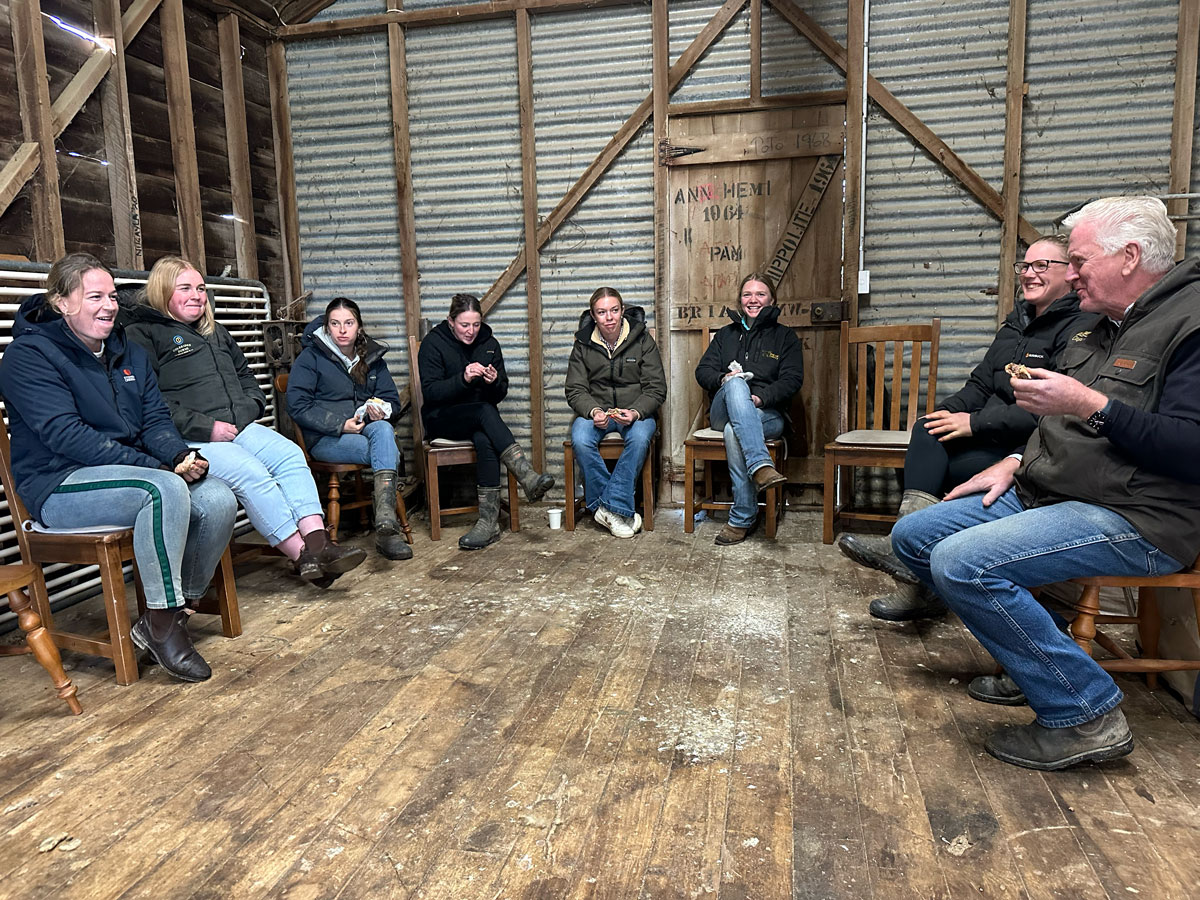
The afternoon concluded with an inspiring panel on youth in agriculture. Shane McManaway, Chairman of the Zanda McDonald Award, shared his journey from being expelled from school when he was 15 to later building the Five Rivers Medical Centre across the road from that same school he was kicked out of. His message — “your attitude determines your altitude” — resonated strongly with the group. Shane also spoke about several of his business ventures and emphasised the importance of continual learning and seeking out new challenges for anyone regardless of where in the career path they are.
Panel members Liam and Nico also shared their career paths, encouraging participants to seize every opportunity. Nico highlighted the importance of reputation, noting that “a job is a name — and a name is all you’ve got, especially in New Zealand.” Having worked across a number of well-known properties, he urged young farmers to treat each farm as a chance to learn and grow. Liam’s story traced his move from an Angus farm in Wiltshire, England, to his current role as shepherd at Ongaha. His experience demonstrated the value of exploring different systems and cultures in agriculture and showed that success is less about where you come from and more about being open to opportunities as they arise.

Looking Ahead
The “Beefing It Up” Workshop was more than a two-day event — it was a launchpad for young farmers to connect, learn, and lead. From genomics to drones, finance to personal growth, the experience gave participants tools to shape their futures in agriculture.
For those considering joining the next wave of youth-focused events, the message is clear: there’s a place for you in the Angus and agriculture community — and the future is yours to build.
Acknowledgements: Hosts and Supporters Who Made It Possible
We extend our heartfelt thanks to George and Sarah Tatham at Matariki Terraces for generously opening their gates and sharing the inner workings of their diverse and forward-thinking farming business. Their openness and insights into genomics, breeding, and environmental stewardship gave the group a rare and valuable learning experience.
At Ongaha Station, we’re deeply grateful to Shane and Lynette McManaway, manager Nico Butler, and shepherd Liam Herbster for welcoming the group and sharing their knowledge, numbers, and stories. Their commitment to excellence and mentorship left a lasting impression on every participant.
A special thank you also goes to Boehringer Ingelheim, whose generous support helped make the “Beefing It Up” Workshop possible. Their investment in youth development and agricultural education is helping shape the future of farming in New Zealand.
Written by Nancy Crawshaw, Angus Australia Extension Manager, and first published in the Spring 2025 Angus Bulletin.