

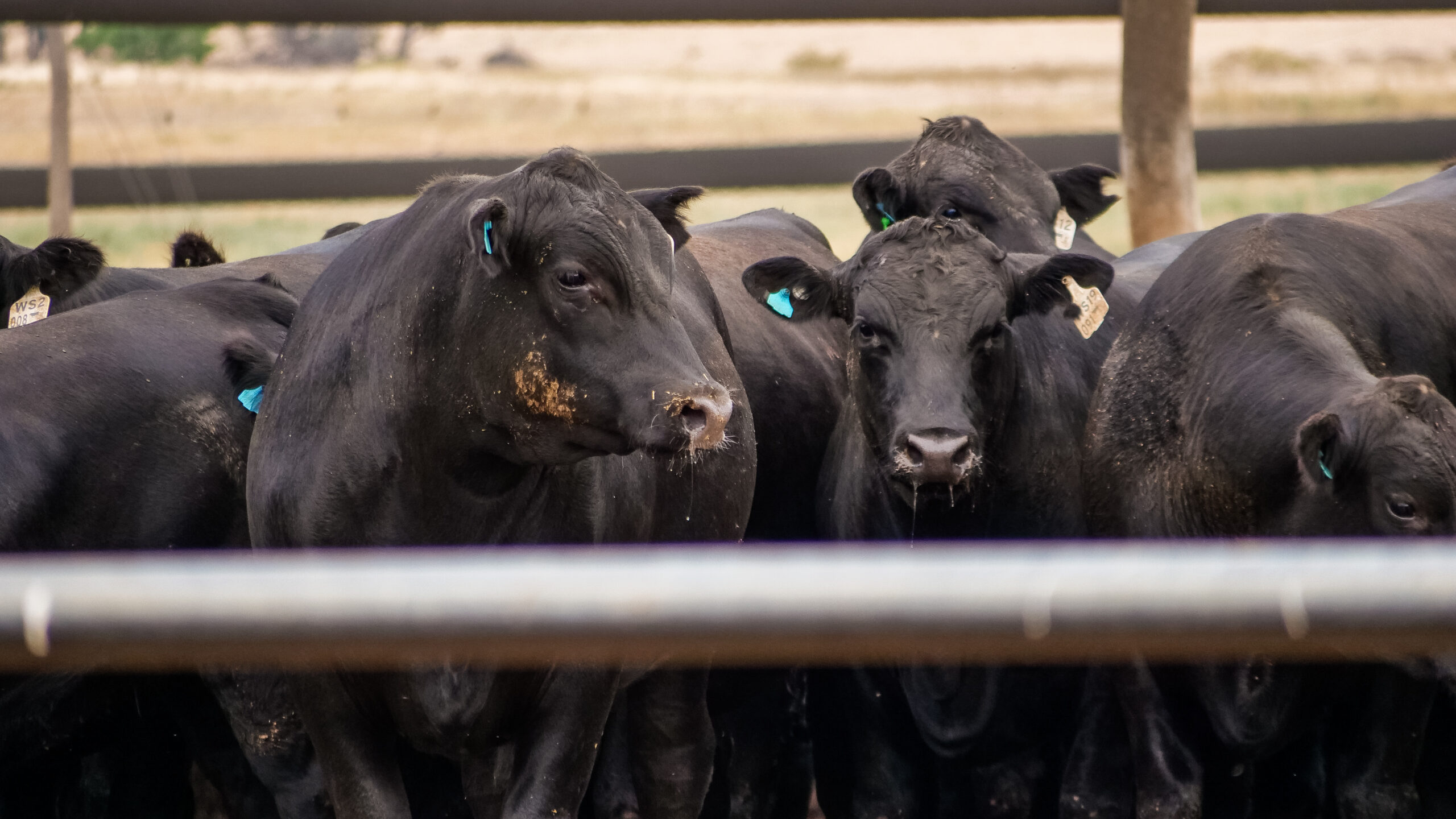
Across the cattle industry, there has been plenty of chatter about the rise of “unregistered Angus” bulls being offered for sale and finding their way into commercial breeding herds. At first glance, these bulls might look the same as their registered counterparts, often carrying the same black coat and Angus type. But beneath the surface the differences are stark, and the long-term impact on herd progress and profitability can be enormous.
This concern has been raised strongly by Angus Australia members, and with good reason. As a society, our role is to protect the integrity of the breed and provide tools that allow both breeders and commercial producers to make informed, reliable genetic progress. When unregistered bulls are promoted as “just as good,” commercial producers risk being misled into thinking they’re saving money when in reality they’re gambling with their herd’s future.
What “Registered” Really Means
Registration isn’t about claiming every registered bull is automatically superior. The true value is that registered animals are better described and more reliable. A registered bull comes with:
• Verified parentage: DNA parent verification is now the standard for registered sires, locking in pedigree integrity and avoiding hidden inbreeding.
• Known breed content: a registered bull is truly Angus, not a lookalike cross.
• Performance records: weights, fertility measures, carcase scans and more are captured and submitted, improving EBV accuracy.
• Genomic profiles: increasingly, registered Angus bulls are backed by genomic tests, which lift the accuracy of EBVs, particularly for young sires and hard-to-measure traits.
• Genetic condition testing: status is reported or a “gene probability” is published, allowing buyers to manage risk.
All of this feeds into the TransTasman Angus Cattle Evaluation (TACE), one of the world’s most advanced beef genetic evaluation systems. TACE combines pedigree, performance and genomic information from Australia, New Zealand, North America and beyond. The result is a set of Estimated Breeding Values (EBVs) and Selection Indexes that objectively describe a bull’s genetic merit for traits that matter: calving ease, growth, fertility, carcase yield, intramuscular fat and more.
Why It Matters in Commercial Herds
When you buy a registered Angus bull, you’re not just buying a black hide, you’re buying predictability. You can match sires to the goals of your program. If you’re targeting feeder steer markets, you can select bulls with high 200- and 400-day weights. If you’re chasing branded beef premiums, you can lift marbling without sacrificing growth.
With unregistered bulls, you’re rolling the dice. You might get lucky, but you might just as easily reduce the performance of your herd, introduce genetic conditions, or unintentional inbreeding. In an era when every kilo and every grid specification counts, uncertainty costs money.
Compounding Genetic Progress
One of the hidden advantages of registered Angus genetics is that the genetic improvement is cumulative and permanent. Over decades of consistent measurement and selection, Angus breeders have delivered:
• 200-day weight has increased by 21 kg.
• 400-day weight has increased by 26 kg.
• 600-day weight has increased by 34 kg.
• Intramuscular fat (IMF%) has lifted from 3.3 to 4.8.
These improvements translate into heavier, earlier-finishing cattle with higher marbling and improved fertility. When commercial producers tap into this genetic engine through registered bulls, their herds benefit immediately, and each generation compounds those gains.
The Angus Premium Is Real
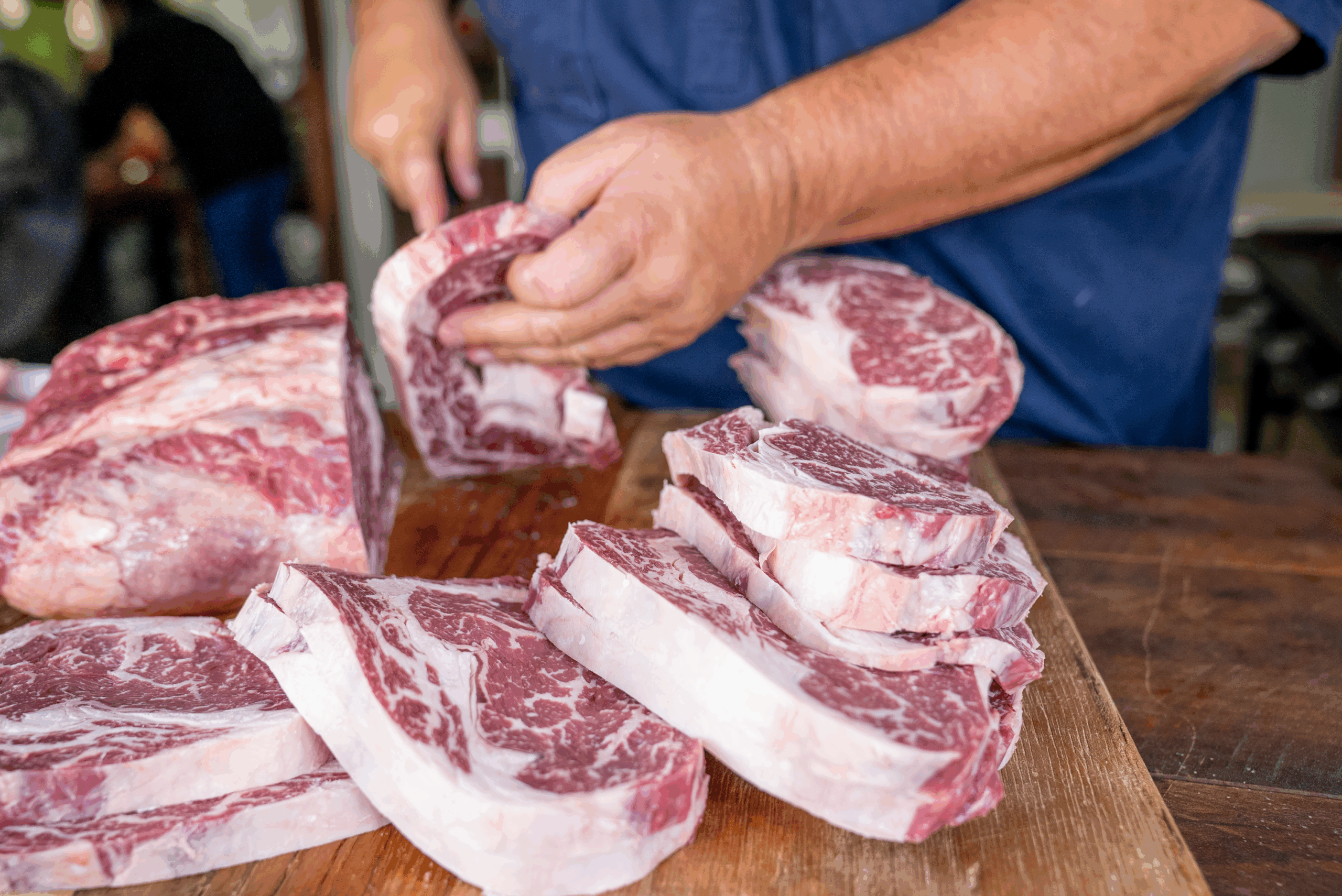
Markets reward predictability, and Angus delivers. That’s why there is a consistent Angus premium across Australian saleyards and brand programs.
A recent AuctionsPlus analysis showed:
• Purebred Angus cattle averaged $1,546/head.
• All other purebred types averaged $1,336/head.
• That’s an average premium of $210 per head, or 15.3% higher than other breeds.
Processors and brand programs also pay for predictability. Under the Meat Standards Australia (MSA) model, marbling has a direct impact on the MSA Index. Brand programs and processors also pay for consistent genetics, with marbling having a direct impact on MSA Index scores and premium grid access.
Short-Term Saving vs Long-Term Cost
It’s tempting to save a few thousand dollars at the bull sale and buy an unregistered paddock bull. But consider the cost over five years of service and 200 progeny:
• Missed growth = lighter weaners, lower turn-off weights.
• Lower marbling = missed grid premiums.
• Unknown pedigree = risk of inbreeding or hidden defects.
• No EBVs = no way to deliberately improve your herd.
A single missed premium or fertility setback will quickly outweigh the “saving” on purchase day. In contrast, a “Registered Angus” bull with strong EBVs and genomics is an investment that pays back every calf drop.
Member-Driven, Not Corporate
Angus Australia was founded by a small group of dedicated breeders who believed in the value of collaboration and measurement. Today, as a member-owned, not-for-profit organisation, every dollar earned is reinvested into genetic evaluation, data systems, research and extension. Unlike corporate-owned evaluation models, our sole focus is the success of family-owned Angus enterprises across the country. Our oversight is from a Board of Directors elected from members who give their time voluntarily to advance the interests of the breed. Our analysis is independent for the good of our breeding members.
Buyer’s Checklist
When you line up at your next bull sale, ask yourself:
• Is the bull registered and DNA parent-verified?
• Are EBVs and Selection Indexes published through TACE?
• Has the bull been genomically tested?
• Are genetic condition results reported?
• Does the breeder consistently record and submit data?
If the answer is yes, you’re not buying hope; you’re buying predictability.
The Take-Home – Registered Angus Bulls
The Angus breed has earned its reputation as the balanced breed, with calving ease, fertility, growth, carcass quality and eating quality all in one package. But that balance depends on measured, recorded and proven genetics.
Our Angus Australia members spend many dollars (and time) recording and describing their Angus genetics so that as commercial cattle producers you can make more informed and reliable decisions.
Unregistered Angus bulls might look the part, but they cannot provide the pedigree assurance, EBVs, genomics or continued market access that registered Angus bulls deliver. For producers chasing kilos, premiums and consistency, the choice is clear: invest in registered Angus genetics. It’s the only way to stack the odds in your favour and keep your herd, your market access and your bottom line moving forward.
Written by Scott Wright, CEO Angus Australia, and first published in the Spring 2025 Angus Bulletin.